What It’s Like Having Kids on Opposite Sides of the ADHD Spectrum
A mum shares the raw reality of raising two young boys with very different ADHD-like traits, emotional needs, and parenting challenges.
5 min read
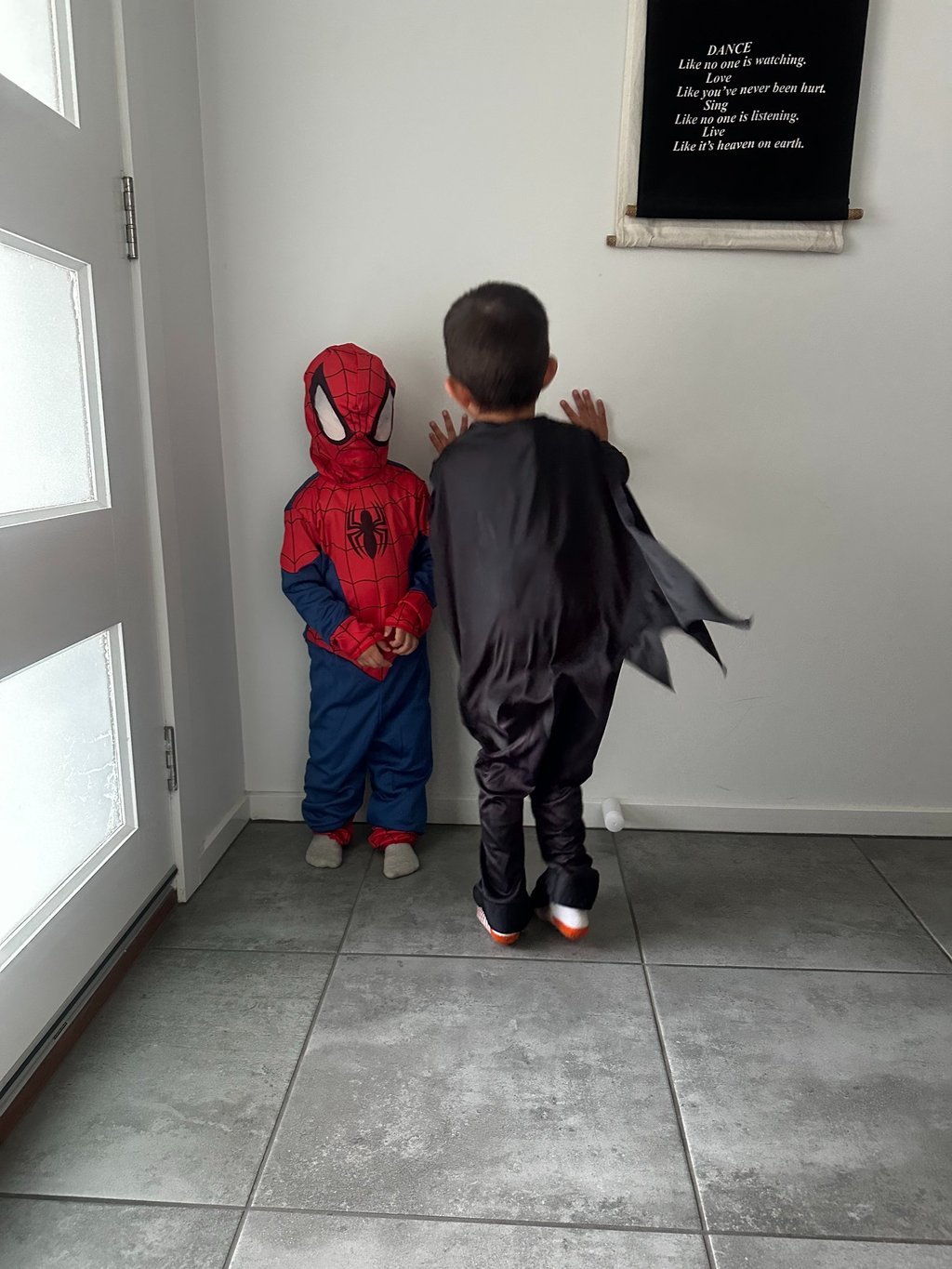
The reality of raising two very different boys, both with big feelings, big energy, and very different needs.
Before I became a mum, I knew parenting would be hard.
I knew there would be sleepless nights, tantrums in the supermarket, endless snack requests, and toys somehow ending up in every single room of the house.
What I didn’t realise… was just how mentally exhausting it can be when your kids are wired differently—especially when they seem to sit on opposite sides of what I believe may be the ADHD spectrum.
Now before I go any further—neither of my boys have a formal diagnosis right now.
These are my observations as their mum, along with conversations with family members who have neurodivergent children, plus things that have been picked up by our GP and maternal health nurse.
And honestly… once you see it, you can’t unsee it.
My boys are now 5 and 3, and while they both have the same beautiful, wild energy… they process the world in very different ways.
And learning how to parent both of them—at the same time—has probably been one of the biggest learning curves of my life.
My 5-Year-Old: Big Feelings, Big Reactions, Big Heart
I started noticing differences in my oldest around age two.
At first, I couldn’t quite put my finger on it.
He was smart. Incredibly smart.
Strong-willed. Confident. Funny. Protective.
But he also had… intensity.
He’s the kind of kid who:
Is constantly on the go
Gets distracted easily
Struggles with sleep
Has food issues
Can be impulsive
Needs routine
Has emotional outbursts
Can become aggressive when frustrated
And if he believes something is right or wrong?
He will stand up for it with every part of him.
I genuinely admire that about him.
But that same strength… can make daily life challenging too.
Especially when frustration kicks in.
What His Meltdowns Actually Look Like
I think one of the hardest parts of parenting neurodivergent kids is that a lot of people hear the word “tantrum” and assume it’s bad behaviour.
But what I’ve learnt… is there’s a huge difference between a tantrum and a child whose nervous system is completely overloaded.
When my oldest has a meltdown, it can look like:
Yelling
Throwing things
Hitting walls
Hitting people
Complete loss of emotional control
And in those moments… he’s not trying to be “naughty.”
He’s overwhelmed.
He’s dysregulated.
He’s lost control.
And my job becomes helping him find safety again.
For him, what works best is deep pressure and complete quiet.
So if it’s safe to do so, I’ll take him into his room or another quiet space where it’s just the two of us.
I’ll sit with his back against my chest, gently holding his arms and legs safely, rocking him slowly while I sing Somewhere Over the Rainbow.
And honestly…
It works.
Not always instantly.
Not always perfectly.
But it helps him feel safe enough to come back down.
And for him… that’s what matters.
My 3-Year-Old: Different Challenges, Different Needs
Then there’s my youngest.
And wow… he keeps me on my toes in a completely different way.
He has that same wild energy as his brother.
They both love crashing into things, wrestling, climbing, jumping… basically anything that makes my heart stop for a second.
But where my oldest craves answers right now…
My youngest processes things slower.
Sometimes it feels like he genuinely doesn’t hear what’s being said.
Other times, he hears you… and chooses chaos anyway.
He:
Pushes boundaries constantly
Touches everything
Struggles with impulse control
Has very little patience
Needs extra time to process
Doesn’t always understand natural consequences yet
Can seem inattentive
And if I’m being honest?
I’m still learning him.
A lot.
The Biggest Difference Between Them
My oldest…
Even when he pushes back… he understands cause and effect.
He understands consequences.
He understands reasoning.
My youngest?
Not yet.
And that changes everything.
With my oldest, I can explain why.
With my youngest, I often need to repeat things simply… multiple times.
And that can be exhausting.
The Part People Don’t See
From the outside…
People often say things like:
“They’re just boys.”
“They’ve got so much energy.”
“They’re having fun.”
And yes…
They are.
But what people don’t see…
Is the mental load.
The constant scanning.
The constant anticipating.
The constant “who’s about to lose it?”
Even when I’m sitting on the couch…
I’m not really resting.
I’m watching.
Listening.
Reading body language.
Watching facial expressions.
Trying to step in before wrestling turns into tears.
Trying to stop one child from escalating while helping the other regulate.
Trying to be a mediator… all day long.
And honestly?
It’s mentally exhausting.
Learning That One Parenting Style Doesn’t Work
This has probably been my biggest lesson as a mum.
You cannot parent every child the same.
What works beautifully for one child…
Can completely backfire with another.
For example:
My oldest:
✅ Loves routine
✅ Loves countdowns
✅ Needs alone time
✅ Benefits from deep pressure
✅ Calms with space
My youngest:
✅ Loves independence
✅ Needs simple repetition
✅ Needs connection
✅ Hates being restrained
✅ Spirals if left alone
So if I parent them exactly the same?
Someone loses.
Usually all of us.
What’s Actually Helped Us
After years of trial and error…
These are the things that genuinely help:
Countdowns
“5 minutes.”
“2 more turns.”
“One more episode.”
This has been huge.
Following Through
If I say something…
I mean it.
Routine
Especially for my oldest.
One-on-One Time
Both boys thrive when they get me to themselves.
Screen Time
Yep, I said it.
Sometimes screens save everyone’s nervous system.
Movement
Jumping. Wrestling. Climbing.
Getting Down to Their Level
Eye contact changes everything.
Independence
Letting them try first.
Even if it takes longer.
What My Boys Have Taught Me
More than anything…
They’ve taught me that patience and understanding are everything.
Not perfection.
Not strict routines.
Not “doing what everyone else does.”
Just…
Learning your child.
Listening.
Adapting.
Trying again.
And giving yourself grace when something that worked yesterday suddenly doesn’t work today.
Because trust me…
That happens a lot.
What I Wish More People Understood
Every child is different.
Every family is different.
And if a parent is doing something that helps their child regulate…
Please don’t judge it just because it looks different.
You don’t know what’s happening behind closed doors.
You don’t know what that parent has already tried.
And you definitely don’t know how much mental energy it takes to keep everyone regulated.
To The Mum Who’s Starting To Notice Differences…
Trust your gut.
Talk to other parents.
Ask questions.
Try things.
Adjust.
Try again.
Get professional support if you feel like you need it.
And most importantly…
Remember:
Different doesn’t mean broken.
Different just means they need something different from you.
And that’s okay.
Final Thoughts
I’m still learning.
Every single day.
There are always new quirks.
New struggles.
New things that stop working.
And new things that suddenly click.
But if there’s one thing I know for sure…
My boys are incredible.
Wild.
Strong.
Beautifully different.
And I wouldn’t change them for the world.